Source Calcined High Brightness Kaolin Clay for Paint, Ceramic, Paper
Find 30 listings for calcined high brightness kaolin clay suitable for paint, ceramic, and paper applications. Buyers can compare specifications including mesh size, purity, and packaging options from verified suppliers.
Key considerations
Products List


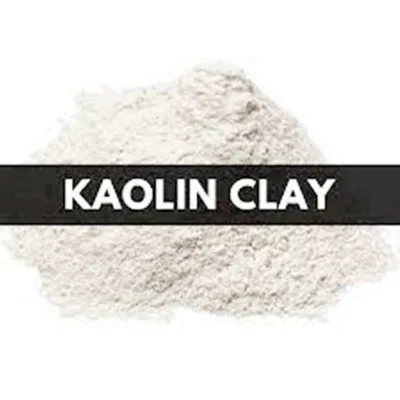
Comprehensive Sourcing Guide
Strategic Sourcing Guide for Calcined High Brightness Kaolin Clay
Procuring calcined high brightness kaolin clay requires a disciplined approach that balances technical performance with supply chain reliability. This material is a critical industrial mineral used extensively across sectors where whiteness, chemical stability, and particle size distribution are paramount. Buyers entering this market must navigate a landscape defined by specific processing techniques, varying mesh sizes, and rigorous quality standards. The following guide outlines the essential factors for evaluating suppliers and specifications, ensuring that procurement decisions are grounded in verified data and industry best practices rather than unverified marketing claims.
Technical Specifications and Processing Characteristics
The foundation of a successful procurement strategy lies in a precise understanding of the technical specifications. Calcined kaolin clay is distinguished from raw kaolin by its thermal treatment, which removes structural water and enhances whiteness and brightness. When sourcing this material, buyers must verify the specific technique employed. The market offers both calcined and washed varieties, each serving different end-use requirements. For high-brightness applications, the calcination process is essential, typically yielding a product with a whiteness index ranging between 82 and 85, depending on the specific grade and processing conditions.
Particle size is another critical parameter that dictates the clay's utility. The product is often available in a wide spectrum of mesh sizes, ranging from coarse granules to ultra-fine powders. Verified data indicates that suppliers may offer particles in specific ranges such as 16-30 mesh, 30-60 mesh, and up to 1250 mesh or higher. For applications requiring high brightness and smoothness, finer grades like 325 mesh, 800 mesh, 1250 mesh, and even 6000 mesh are frequently specified. The shape of the product is another defining attribute; while some listings describe the material as "powder," others may refer to it as "raw clay" or specific granular forms. It is imperative for the buyer to confirm whether the product is in a powdered form suitable for dispersion or a granular form intended for specific molding or refractory processes.
The chemical composition also plays a pivotal role in performance. High-purity calcined kaolin is often characterized by an alumina (Al2O3) content of approximately 37%, with moisture content strictly controlled, often below 0.5%. Purity levels can reach up to 99% or 99.9% in premium grades. Buyers should request specific chemical analysis reports to verify these figures, as the presence of impurities can significantly affect the final product's color and mechanical properties.
Compliance, Certification, and Quality Standards
In the global B2B marketplace, compliance with international standards is non-negotiable for ensuring product consistency and safety. When sourcing calcined kaolin, buyers must verify that the supplier holds recognized certifications. The industry standard often includes ISO certification, which indicates adherence to quality management systems. Some suppliers may also provide CE certification, which is particularly relevant for products intended for the European market or specific industrial applications.
It is crucial to distinguish between the certification of the manufacturing facility and the certification of the specific product batch. While a supplier may hold an ISO certificate, the actual product must meet the specific standards required for its application. For instance, the "standard" attribute in product listings often refers to mesh size specifications (e.g., 325 mesh, 600 mesh, 1250 mesh) rather than a regulatory standard. Buyers should not assume that a listed mesh size constitutes a regulatory compliance mark. Instead, they must verify that the supplier can provide test reports confirming that the product meets the requested mesh distribution and chemical purity.
Furthermore, the origin of the material is a key factor in compliance. Most high-quality calcined kaolin is sourced from specific geological regions, with China being a prominent origin point, particularly from provinces like Hebei. Buyers should confirm the exact location of the mine and the processing facility, as geological variations can affect the mineral's properties. Documentation such as a Certificate of Origin and a Certificate of Analysis (COA) should be standard deliverables accompanying every shipment to ensure traceability and compliance with import regulations.
Cost Drivers and Pricing Structures
Understanding the cost drivers for calcined kaolin clay is essential for budgeting and negotiating effective contracts. The price of this industrial mineral is influenced by several factors, including the degree of calcination, the fineness of the grind, and the purity level. High-brightness grades, which require more intensive processing to achieve whiteness indices above 82, generally command a higher price than standard grades. Additionally, the mesh size plays a significant role; finer powders (e.g., 1250 mesh or 6000 mesh) require more energy and time to produce, leading to increased costs compared to coarser grades like 325 mesh.
Packaging also impacts the final cost. Suppliers typically offer various packaging options, ranging from 25 kg bags to 50 kg bags, ton bags, or bulk shipments. The choice of packaging can affect logistics costs and handling efficiency. While some listings mention a "Factory Price," buyers should be aware that this is a variable term and not a fixed market rate. The actual price per unit will fluctuate based on the specific order volume, the required customization, and current raw material market conditions.
Minimum Order Quantity (MOQ) is another critical cost driver. The observed MOQ range in the market spans from 1 unit to 100 units, offering flexibility for small-scale buyers while encouraging larger commitments for cost efficiency. Buyers should evaluate their inventory needs against these MOQs to avoid tying up excessive capital in stock or incurring high per-unit costs for small orders. Customization options, such as specific mesh blends or packaging requirements, may also incur additional charges, which should be factored into the total cost of ownership.
Typical Applications and Performance Requirements
Calcined high brightness kaolin clay is a versatile material with applications spanning multiple industries. Its primary uses include the paper, paint, and ceramic sectors, where its whiteness and opacity are highly valued. In the paper industry, it is used as a coating pigment to improve printability and brightness. For paint and coatings, it serves as a filler that enhances durability and weather resistance while maintaining a high white appearance.
The ceramic industry relies on calcined kaolin for its refractory properties and ability to withstand high temperatures. In this context, the material is often used in the production of porcelain, sanitary ware, and electrical insulators. The "Usage" attribute in product listings frequently cites ceramics, rubber, plastics, and artificial leather, highlighting the material's adaptability. In rubber and plastics, kaolin acts as a reinforcing filler that improves mechanical strength and dimensional stability.
When selecting a supplier, buyers must match the product specifications to their specific application requirements. For example, a paint manufacturer might require a specific particle size distribution to ensure smooth application, while a ceramic producer might prioritize high alumina content and low moisture. The "Product Name" often varies between "Calcined Kaolin Clay" and "Kaolin Powder," but the underlying material properties must align with the intended use. Buyers should verify that the supplier has experience supplying their specific industry and can provide case studies or references demonstrating the material's performance in similar applications.
Supplier Evaluation and Operational Capabilities
Evaluating a supplier for calcined kaolin clay involves assessing their operational capabilities, customization options, and reliability. A robust supplier should offer OEM (Original Equipment Manufacturer) services, allowing for tailored solutions that meet specific buyer requirements. The availability of customization is a key indicator of a supplier's flexibility and technical competence. Buyers should inquire about the supplier's ability to produce custom mesh sizes, specific purity levels, or unique packaging formats.
Lead time is another critical factor in supplier evaluation. The market data suggests lead times ranging from 3-7 days to 7-15 days, depending on the order size and product availability. Buyers must ensure that the supplier can meet their production schedules without causing delays. A reliable supplier will provide clear communication regarding production status and potential bottlenecks. Additionally, the availability of free samples is a valuable indicator of a supplier's confidence in their product quality. Buyers should always request samples to verify the physical properties, such as whiteness, particle size, and texture, before committing to a larger order.
The supplier's location and logistics network also play a role in the overall procurement strategy. Suppliers based in China, particularly in regions like Hebei, have established infrastructure for exporting industrial minerals. However, buyers should verify the supplier's ability to handle international shipping, customs clearance, and delivery to their specific destination. A supplier with a strong logistics network can reduce lead times and minimize the risk of supply chain disruptions.
Quality Control and Long-Term Procurement Considerations
Maintaining consistent quality is paramount in long-term procurement of calcined kaolin clay. Buyers should implement a rigorous quality control process that includes pre-shipment inspections and post-delivery testing. This process should verify that the delivered product matches the agreed-upon specifications for mesh size, purity, moisture content, and whiteness. Regular testing of incoming batches ensures that any deviations are identified and addressed promptly, preventing downstream production issues.
Long-term procurement considerations also involve building a strategic relationship with the supplier. A reliable partner can provide consistent supply, technical support, and market insights. Buyers should look for suppliers who are committed to continuous improvement and can adapt to changing market demands. The ability to provide consistent product quality over time is a key differentiator in the industrial mineral market.
Furthermore, buyers should consider the environmental and sustainability aspects of their procurement. While specific environmental certifications may not be explicitly listed in all product data, buyers should inquire about the supplier's environmental management practices. Sustainable sourcing practices can enhance the buyer's corporate social responsibility profile and ensure compliance with evolving environmental regulations.
In conclusion, sourcing calcined high brightness kaolin clay requires a comprehensive understanding of technical specifications, compliance requirements, cost drivers, and supplier capabilities. By adhering to the guidelines outlined in this guide, buyers can make informed decisions that ensure the quality, reliability, and cost-effectiveness of their procurement strategy. The focus should remain on verified data and objective evaluation criteria to mitigate risks and achieve optimal outcomes in the global marketplace.
FAQs
What are the key technical specifications for calcined kaolin clay?
The product typically features a whiteness of 82 to 85 and an alumina content around 37 percent. Buyers can find grades with purity up to 99.9 percent and moisture content below 0.5 percent. Particle sizes range widely from coarse granules to ultra-fine powders like 6000 mesh.
Which certifications should I verify when sourcing this material?
Suppliers often hold ISO certification to indicate adherence to quality management systems. Some vendors may also provide CE certification for specific regional compliance. It is essential to distinguish between facility certification and specific product batch test reports.
How does the processing technique affect the final product quality?
Calcination removes structural water to enhance whiteness and brightness compared to raw or washed varieties. This thermal treatment is critical for high-brightness applications in paper and paint industries. Buyers must verify if the product is calcined or washed to match their specific end-use requirements.
Can I request customization for mesh size and packaging?
Yes, customization is available for specific mesh sizes ranging from 325 to 6000 mesh. Packaging options include 25 kg bags, 50 kg bags, or ton bags based on customer requirements. Buyers should confirm these options with the supplier before placing an order.
What is the typical lead time for delivery from China?
Lead times generally range from 3 to 7 days for standard orders and up to 15 days for larger commitments. The exact duration depends on order size and product availability at the facility in Hebei, China. Buyers should verify current production schedules to ensure timely delivery.
Which industries commonly use calcined high brightness kaolin clay?
Primary applications include the paper, paint, and ceramic sectors where whiteness and opacity are vital. The material also serves as a reinforcing filler in rubber, plastics, and artificial leather production. Buyers should match specific purity and particle size to their industry needs.
How does the minimum order quantity impact the procurement cost?
The observed MOQ range spans from 1 to 100 units, offering flexibility for small-scale buyers. Larger orders often yield better per-unit pricing compared to small commitments. Buyers should evaluate inventory needs against these thresholds to optimize their total cost of ownership.